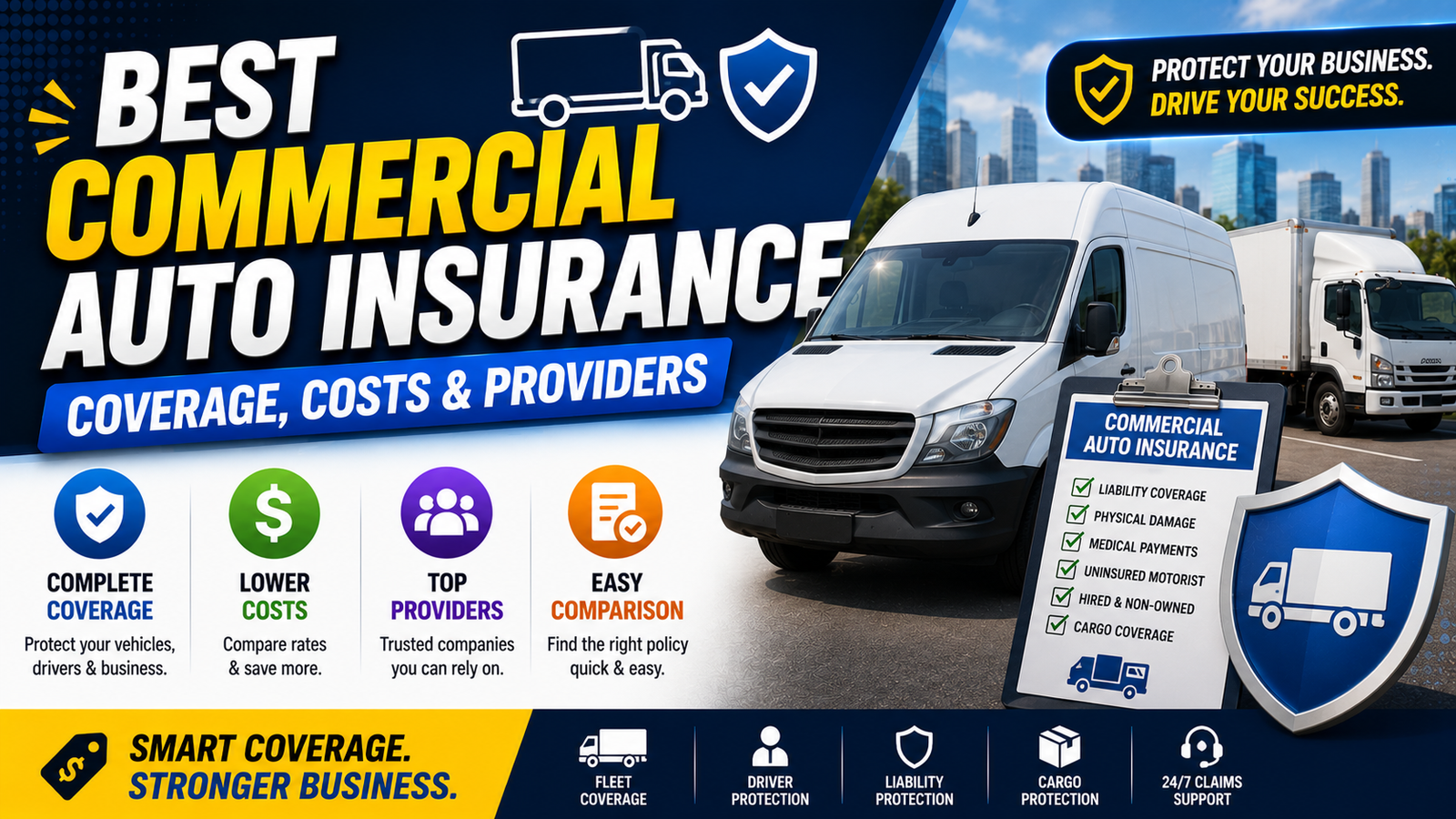
Businesses that rely on vehicles face unique risks every time employees drive for work purposes. A single accident involving a company vehicle can lead to property damage claims, bodily injury lawsuits, legal expenses, vehicle repairs, and business disruptions. Commercial auto insurance is designed to protect businesses from these financial exposures. Whether you operate a single work van, a fleet of delivery trucks, or company-owned passenger vehicles, understanding commercial auto coverage is essential for risk management and regulatory compliance.
What Is Commercial Auto Insurance?
Commercial auto insurance is a business insurance policy that provides protection for vehicles used in business operations. Unlike personal auto insurance, commercial policies are designed to address risks associated with business driving activities, commercial vehicle ownership, employee drivers, and higher liability exposures.
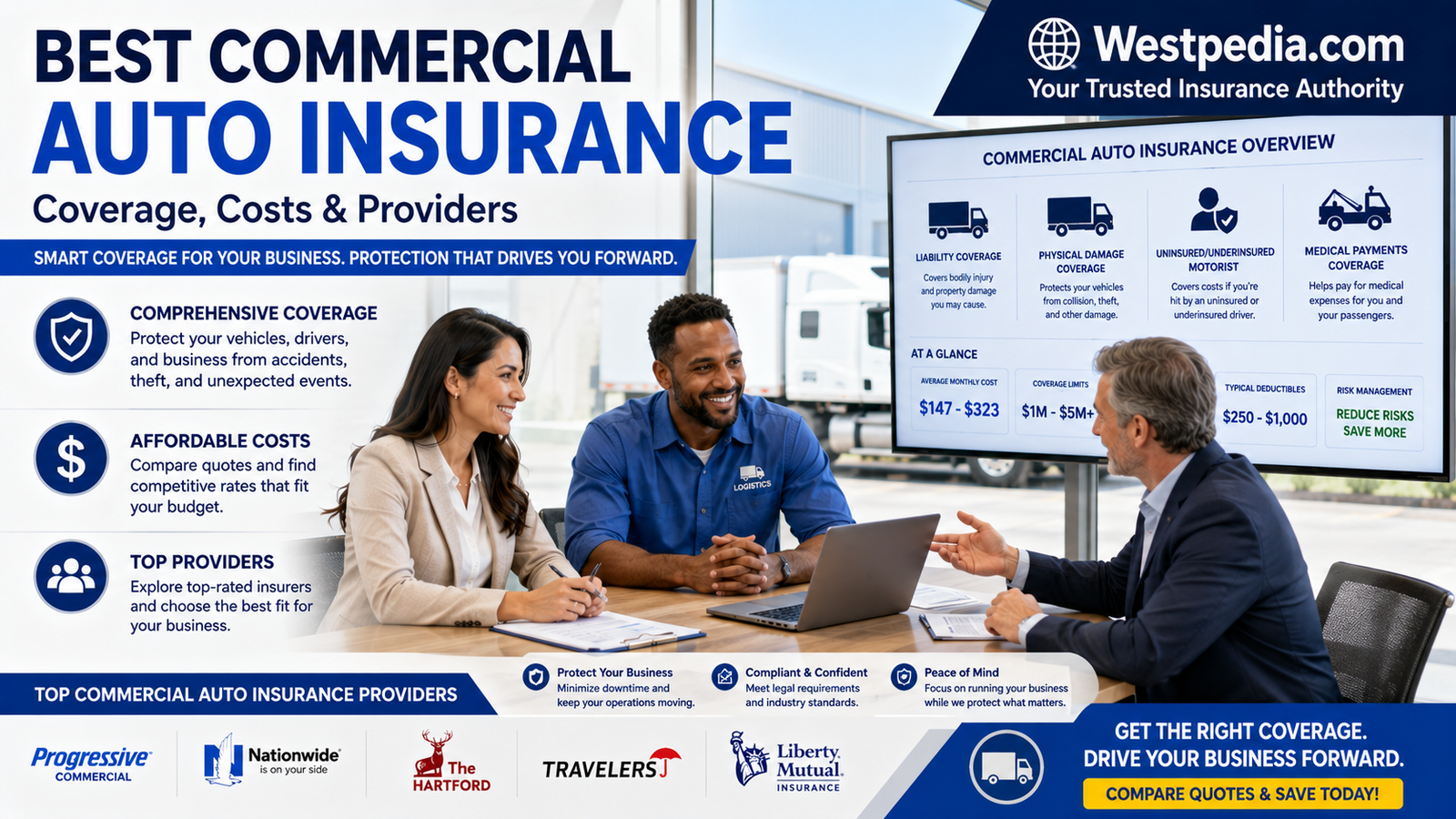
Coverage can apply to:
- Company-owned vehicles
- Work vans
- Pickup trucks
- Delivery vehicles
- Service vehicles
- Commercial trucks
- Fleet vehicles
- Specialized business vehicles
Who Needs Commercial Auto Insurance?
Any business using vehicles for work-related purposes should evaluate commercial auto insurance.
- Contractors
- Electricians
- Plumbers
- HVAC companies
- Delivery services
- Landscaping businesses
- Construction companies
- Transportation firms
- Real estate businesses
- Sales organizations
- Food delivery operators
- Courier services
Why Commercial Auto Insurance Matters
Business vehicles often travel more miles, carry equipment, transport employees, or interact with customers. These factors can increase liability exposure compared to personal vehicle use.
Commercial auto insurance helps:
- Protect business assets
- Cover third-party liability claims
- Pay for vehicle repairs
- Address legal defense expenses
- Support regulatory compliance
- Protect business continuity
Common Commercial Vehicle Risk Scenarios
At-Fault Accident
A company driver causes a collision resulting in injuries and property damage.
Vehicle Theft
A work truck containing tools and equipment is stolen overnight.
Weather Damage
Hail damages multiple fleet vehicles.
Employee Driving Incident
An employee operating a company vehicle causes a significant liability claim.
Cargo Damage
Goods being transported are damaged during a covered accident.
What Commercial Auto Insurance Covers
| Coverage Type | What It Protects | Typical Importance |
|---|---|---|
| Liability Coverage | Third-party injuries and property damage | Essential |
| Collision Coverage | Business vehicle repairs after accidents | High |
| Comprehensive Coverage | Theft, fire, vandalism, weather damage | High |
| Medical Payments | Medical expenses after covered accidents | Moderate |
| Uninsured Motorist Coverage | Protection from uninsured drivers | Important |
| Hired & Non-Owned Auto | Employee-owned or rented vehicles used for business | Important |
Coverage Options Businesses Should Consider
Liability Insurance
Liability coverage is the foundation of most commercial auto policies. It helps pay for bodily injury and property damage claims when a business vehicle causes an accident.
Collision Coverage
Collision insurance helps repair or replace company vehicles damaged in covered collisions.
Comprehensive Coverage
This coverage addresses non-collision losses such as theft, vandalism, hail, fire, and certain weather-related events.
Hired and Non-Owned Auto Coverage
Businesses whose employees occasionally use personal vehicles or rented vehicles for work purposes often consider this protection.
Fleet Insurance
Organizations operating multiple vehicles may benefit from fleet insurance policies designed to simplify management and coverage administration.
How Insurers Evaluate Commercial Auto Risk
Commercial auto premiums are heavily influenced by underwriting factors.
Business Operations
Insurers review how vehicles are used, driving distances, and operational exposures.
Vehicle Types
Heavy trucks, specialized vehicles, and delivery fleets often present different risk levels than passenger vehicles.
Driver Records
Driving histories, violations, accidents, and experience levels are major underwriting considerations.
Business Revenue
Business size and operational scale can affect exposure assessments.
Claims History
Previous vehicle-related claims may impact pricing and eligibility.
Safety Programs
Driver training and fleet safety programs may improve risk profiles.
How Much Does Commercial Auto Insurance Cost?
Commercial auto insurance costs vary significantly depending on vehicle type, fleet size, driver history, and operational risk.
| Business Type | Risk Level | Estimated Annual Premium Range |
|---|---|---|
| Consultants & Sales Professionals | Low | $750–$2,500+ |
| Contractors & Service Businesses | Moderate | $1,500–$8,000+ |
| Transportation & Trucking | High | $8,000–$25,000+ or more |
| Large Fleets | Very High | $25,000–$250,000+ or more |
Actual premiums vary based on underwriting and coverage selections.
Key Factors Affecting Commercial Auto Insurance Premiums
- Number of vehicles
- Vehicle value
- Driver records
- Annual mileage
- Geographic operating areas
- Claims history
- Industry type
- Coverage limits
- Deductibles
- Fleet safety programs
Commercial Auto Insurance Provider Comparison
| Provider | Best For | Coverage Strengths | Potential Limitations | Pricing Position |
|---|---|---|---|---|
| Progressive Commercial | Commercial vehicles and trucking | Strong transportation focus | Coverage varies by operation | Competitive |
| The Hartford | Small and mid-sized businesses | Broad business insurance integration | Industry appetite varies | Mid-range |
| Travelers | Diverse commercial fleets | Comprehensive fleet solutions | Coverage availability varies | Mid-range to Premium |
| Chubb | Complex commercial risks | Customizable protection | Higher premiums possible | Premium |
| Nationwide | Small business vehicle fleets | Broad business solutions | Availability varies by region | Competitive to Mid-range |
How the Commercial Auto Claims Process Works
1. Report the Incident
Notify the insurer immediately following an accident or covered event.
2. Gather Documentation
Collect photographs, police reports, witness statements, repair estimates, and driver information.
3. Claims Investigation
An adjuster reviews fault, damages, liability exposure, and policy terms.
4. Settlement Review
The insurer evaluates covered damages and applicable policy limits.
5. Claim Resolution
Payment timelines vary depending on claim complexity and documentation quality.
How to Reduce Commercial Auto Insurance Costs
- Implement driver safety programs
- Conduct motor vehicle record checks
- Use GPS and telematics systems
- Maintain vehicles regularly
- Establish written fleet policies
- Review coverage annually
- Increase deductibles where appropriate
- Compare quotes from multiple insurers
Fleet Risk Management Best Practices
- Driver training programs
- Distracted driving policies
- Regular vehicle inspections
- Preventive maintenance schedules
- Accident reporting procedures
- Telematics monitoring
- Vehicle replacement planning
Common Commercial Auto Insurance Mistakes
- Using personal auto insurance for business vehicles
- Purchasing insufficient liability limits
- Failing to add hired and non-owned coverage
- Ignoring driver screening procedures
- Not updating vehicle schedules
- Focusing solely on premium costs
Expert Considerations Before Requesting Quotes
Before comparing commercial auto insurance quotes, businesses should gather vehicle information, driver records, annual mileage estimates, operating territories, and prior claims history.
Reviewing liability limits, deductibles, exclusions, fleet management options, and insurer experience within your industry can help support informed purchasing decisions.
Frequently Asked Questions
1. What is commercial auto insurance?
It is insurance designed for vehicles used in business operations.
2. Is commercial auto insurance legally required?
Most jurisdictions require minimum liability coverage for commercial vehicles.
3. Does personal auto insurance cover business use?
Many personal auto policies exclude certain business activities.
4. How much does commercial auto insurance cost?
Costs vary based on vehicles, drivers, operations, and coverage selections.
5. What businesses need commercial auto insurance?
Any business regularly using vehicles for work purposes should evaluate coverage.
6. What is fleet insurance?
Fleet insurance covers multiple business vehicles under one policy.
7. What affects premiums most?
Driver records, vehicle types, claims history, mileage, and liability limits are major factors.
8. What is hired and non-owned auto coverage?
It helps protect businesses when employees use personal or rented vehicles for work.
9. Does commercial auto insurance cover theft?
Comprehensive coverage may address theft-related losses depending on policy terms.
10. Are employee drivers covered?
Coverage depends on policy provisions and listed drivers.
11. Can businesses insure leased vehicles?
Yes, leased commercial vehicles can often be insured under commercial auto policies.
12. How long do claims take?
Timelines vary depending on claim complexity and available evidence.
13. Should businesses compare multiple quotes?
Comparing insurers helps evaluate pricing, coverage, and policy features.
14. What liability limit should a business choose?
Appropriate limits depend on risk exposure, assets, contracts, and industry requirements.
15. Can telematics reduce insurance costs?
Some insurers may offer pricing advantages for businesses with strong telematics and safety programs.
Related Topics
- Business Insurance
- Cheep Car Insurance
- Commercial Truck Insurance
- General Liability Insurance
- Commercial Property Insurance