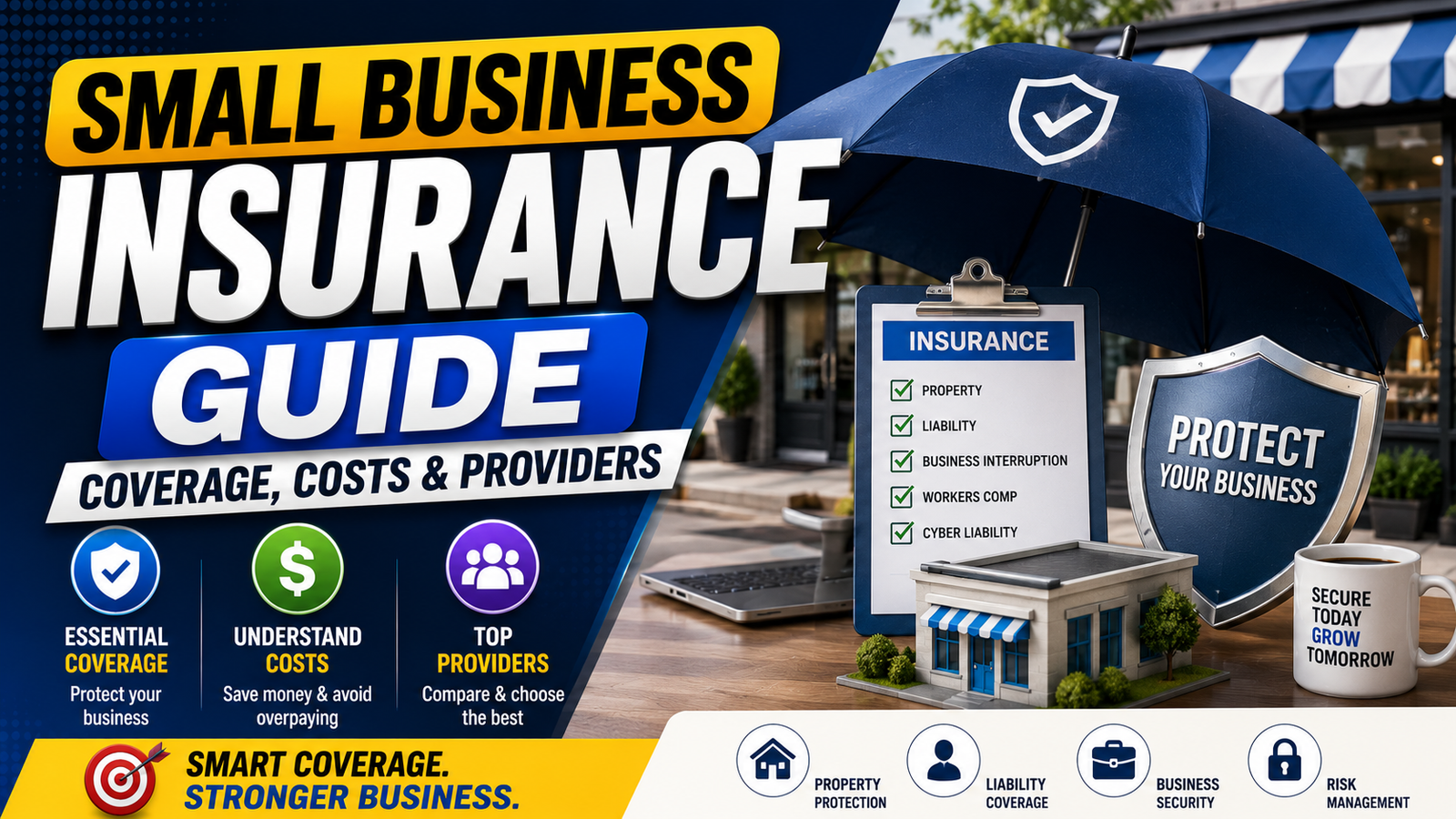
Small businesses face many of the same risks as large corporations but often have fewer financial resources to absorb unexpected losses. A customer injury lawsuit, cyberattack, workplace accident, or property damage claim can create expenses that significantly affect operations. Small business insurance helps protect companies against these financial risks. By combining different insurance policies, business owners can create a risk management strategy tailored to their industry, operations, and growth goals.
This guide explains how small business insurance works, what coverages are commonly included, how premiums are calculated, and what to consider when comparing providers and requesting quotes.
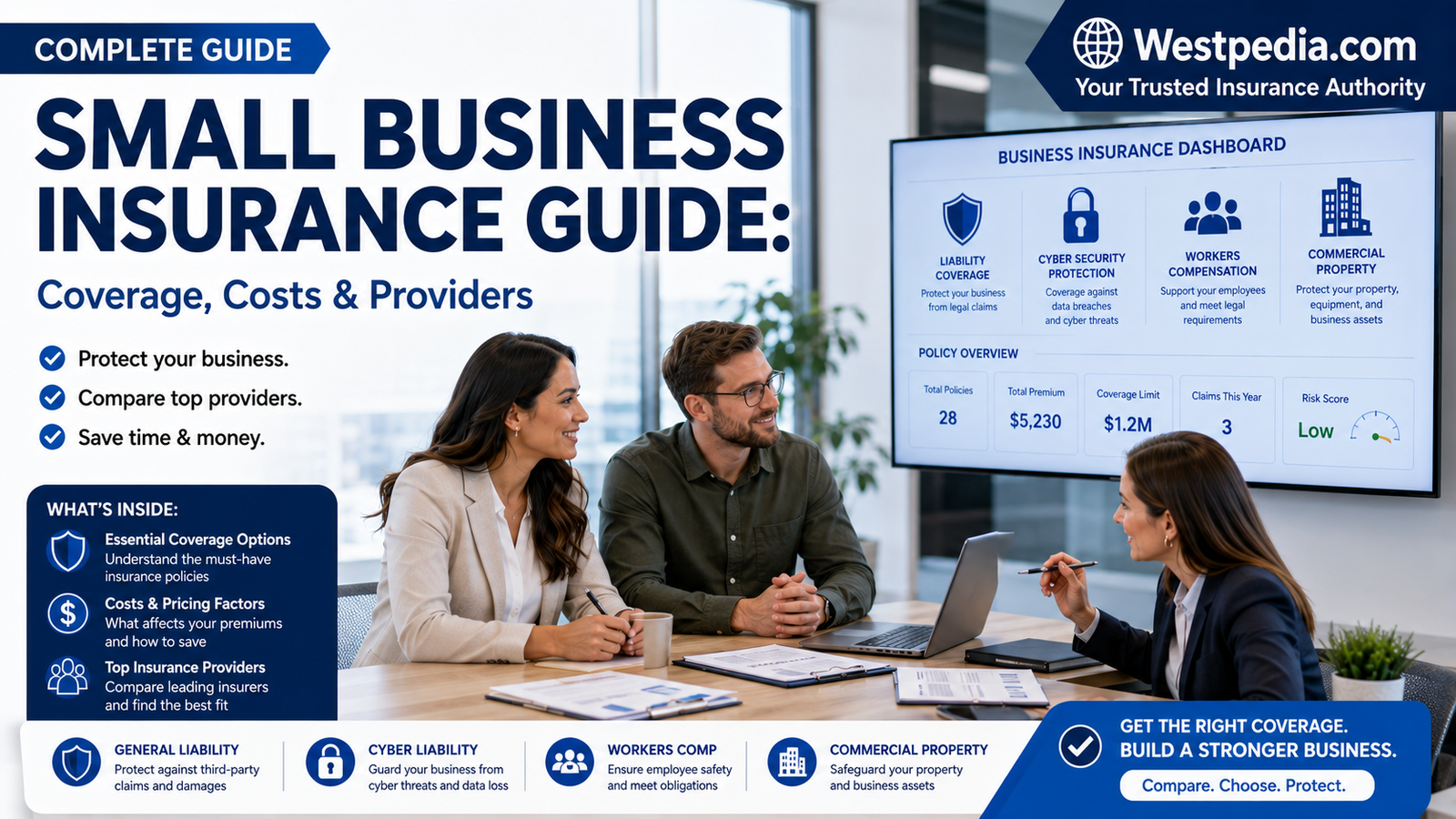
What Is Small Business Insurance?
Small business insurance is a collection of commercial insurance policies designed to protect business owners from financial losses arising from liability claims, property damage, employee injuries, cyber incidents, and business interruptions.
Rather than a single policy, small business insurance often includes multiple coverages working together to address different types of risk. A Commercial Insurance Guide can help business owners understand these coverage options, evaluate potential exposures, and select policies that align with their operational and financial needs.
Why Small Businesses Need Insurance
Many small businesses operate with limited financial reserves. A single uninsured claim can result in legal expenses, repair costs, lost income, or regulatory challenges.
Insurance helps businesses:
- Protect assets and business income
- Manage liability exposures
- Meet contractual obligations
- Support business continuity
- Comply with certain legal requirements
- Build trust with clients and vendors
Who Needs Small Business Insurance?
Almost every small business faces risks that may justify insurance protection.
Common examples include:
- Retail stores
- Consultants and freelancers
- Contractors and tradespeople
- Restaurants and cafes
- E-commerce businesses
- Technology startups
- Marketing agencies
- Professional service firms
- Healthcare practices
- Real estate businesses
Real-World Risk Scenarios
Customer Injury Claim
A customer slips on a wet floor and files a lawsuit seeking compensation for medical expenses.
Professional Error
A consultant is accused of providing incorrect advice that resulted in financial losses for a client.
Cyberattack
A ransomware incident locks business systems and exposes customer information.
Property Damage
A fire damages inventory, office equipment, and business property.
Employee Injury
An employee suffers a workplace injury requiring medical treatment and lost wage benefits.
Different insurance policies address each of these scenarios.
Key Small Business Insurance Coverages
General Liability Insurance
General liability insurance helps protect businesses against third-party claims involving bodily injury, property damage, and certain advertising-related liabilities.
Coverage may include:
- Customer injury claims
- Property damage claims
- Legal defense expenses
- Settlements and judgments within policy terms
Professional Liability Insurance (Errors & Omissions)
Professional liability insurance helps businesses respond to claims alleging negligence, errors, omissions, or failure to deliver professional services.
Often used by:
- Consultants
- Accountants
- Architects
- IT professionals
- Marketing agencies
Commercial Property Insurance
This coverage protects business-owned physical assets.
Commonly insured property includes:
- Buildings
- Furniture
- Equipment
- Inventory
- Computers
- Tools and machinery
Workers Compensation Insurance
Workers compensation insurance provides benefits when employees experience work-related injuries or illnesses.
Benefits may include:
- Medical treatment
- Lost wage replacement
- Rehabilitation expenses
- Disability benefits
Requirements vary depending on location and workforce size.
Cyber Liability Insurance
Cyber liability insurance helps businesses respond to cybersecurity incidents and data breaches.
Coverage may include:
- Forensic investigations
- Customer notification costs
- Legal expenses
- Cyber extortion response
- Business interruption losses
Business Interruption Insurance
Business interruption coverage helps replace lost income when operations are interrupted by a covered event.
This coverage may help businesses continue paying certain expenses during recovery periods.
Coverage Comparison Table
| Coverage Type | What It Protects | Who Often Needs It | Example Risk |
|---|---|---|---|
| General Liability | Third-party claims | Most businesses | Customer injury lawsuit |
| Professional Liability | Professional services | Consultants and advisors | Negligence claim |
| Commercial Property | Physical assets | Businesses with property | Fire damage |
| Workers Compensation | Employee injuries | Employers | Workplace accident |
| Cyber Liability | Cyber incidents | Technology and data-driven firms | Data breach |
| Business Interruption | Lost income | Operating businesses | Temporary closure |
How Insurers Evaluate Small Business Risk
Before offering coverage, insurers review multiple underwriting factors.
Business Operations
The nature of daily operations influences risk levels and pricing.
Revenue Size
Higher revenue often creates greater liability exposure.
Employee Count
More employees can increase workers compensation and liability risks.
NAICS Industry Classification
Industry classification helps insurers assess risk based on similar businesses.
Claims History
Previous claims may influence eligibility, pricing, and coverage terms.
Safety Programs
Businesses with documented safety procedures and compliance practices may present lower risk profiles.
How Much Does Small Business Insurance Cost?
Insurance costs vary significantly depending on industry, location, workforce size, and coverage needs.
| Business Risk Level | Example Businesses | Estimated Annual Premium Range |
|---|---|---|
| Low Risk | Consultants, freelancers, agencies | $400–$2,000+ |
| Moderate Risk | Retail stores, service firms | $2,000–$8,000+ |
| High Risk | Construction, manufacturing, trades | $8,000–$50,000+ or more |
Actual premiums depend on underwriting decisions and policy selections.
Factors That Affect Insurance Premiums
- Industry risk classification
- Business size
- Annual revenue
- Employee count and payroll
- Location and operating territory
- Claims history
- Coverage limits
- Deductibles
- Property values
- Cybersecurity controls
Comparing Leading Small Business Insurance Providers
| Provider | Best For | Coverage Strengths | Potential Limitations | Pricing Position |
|---|---|---|---|---|
| The Hartford | Small and mid-sized businesses | Broad commercial coverage options | Industry appetite varies | Mid-range |
| Progressive Commercial | Businesses with commercial vehicles | Commercial auto expertise | Less specialized in some niche industries | Competitive |
| Hiscox | Freelancers and professional firms | Professional liability focus | Less focused on larger operations | Competitive to mid-range |
| Chubb | Complex or high-value risks | Customizable coverage | Premiums may be higher | Premium |
| Travelers | Broad industry segments | Comprehensive commercial portfolio | Coverage options vary by market | Mid-range to premium |
How the Claims Process Works
1. Incident Reporting
Report the incident promptly to the insurance company.
2. Documentation Collection
Gather photographs, invoices, witness statements, contracts, and supporting records.
3. Adjuster Review
An insurance adjuster investigates the incident and evaluates coverage applicability.
4. Settlement Evaluation
The insurer reviews damages, policy terms, exclusions, and supporting evidence.
5. Payment Timeline
Resolution times vary based on claim complexity and documentation quality.
State Regulations and Compliance Considerations
Insurance requirements differ by jurisdiction. Workers compensation requirements, licensing obligations, and industry regulations may influence coverage needs.
Coverage requirements can also arise from:
- Client contracts
- Commercial leases
- Government projects
- Vendor agreements
- Professional licensing requirements
Risk Reduction Strategies
Reducing risk can improve business resilience and may help control insurance costs.
- Implement employee safety programs
- Maintain written procedures
- Conduct regular training
- Improve cybersecurity controls
- Review contracts regularly
- Maintain accurate records
- Address recurring incidents promptly
- Perform annual insurance reviews
Cybersecurity and Liability Reduction Tips
- Enable multi-factor authentication
- Back up critical business data
- Train employees on phishing risks
- Update software regularly
- Limit access to sensitive information
- Maintain incident response procedures
Common Small Business Insurance Mistakes
- Choosing coverage solely based on price
- Underestimating liability exposure
- Ignoring policy exclusions
- Failing to update coverage after growth
- Overlooking cyber risks
- Purchasing insufficient limits
- Providing incomplete underwriting information
Expert Considerations Before Requesting Quotes
Before requesting insurance quotes, gather information about revenue, payroll, employee count, property values, operations, and prior claims.
Comparing coverage limits, deductibles, endorsements, exclusions, and carrier strengths can help business owners make informed decisions about protection strategies.
Frequently Asked Questions
1. What is small business insurance?
It is a collection of insurance policies designed to protect businesses against various financial risks.
2. Is small business insurance required by law?
Certain coverages may be legally required depending on jurisdiction and business activities.
3. How much does small business insurance cost?
Costs vary based on risk profile, industry, location, and coverage needs.
4. What does general liability insurance cover?
It helps protect against third-party injury and property damage claims.
5. What is professional liability insurance?
It addresses claims involving professional errors, omissions, or negligence.
6. Does insurance cover cyberattacks?
Cyber incidents are typically addressed through cyber liability coverage.
7. What affects insurance premiums?
Industry, revenue, payroll, claims history, location, and coverage limits are major factors.
8. Can home-based businesses buy insurance?
Yes. Many insurers offer solutions for home-based operations.
9. What is a deductible?
A deductible is the amount paid by the policyholder before covered benefits apply.
10. How long do claims take?
Claim timelines vary depending on complexity and documentation.
11. Is workers compensation required?
Requirements vary by jurisdiction and workforce size.
12. What is business interruption insurance?
It helps replace lost income after covered operational disruptions.
13. Are all lawsuits covered?
No. Coverage depends on policy terms, exclusions, and claim circumstances.
14. Can startups get business insurance?
Yes. Many insurers offer policies designed for startups and new businesses.
15. Should I compare multiple insurance quotes?
Comparing quotes can help identify differences in coverage, pricing, and policy features.
Related Topics
- Business Insurance
- Commercial Insurance
- General Liability Insurance
- Workers Compensation Insurance
- Cyber Liability Insurance